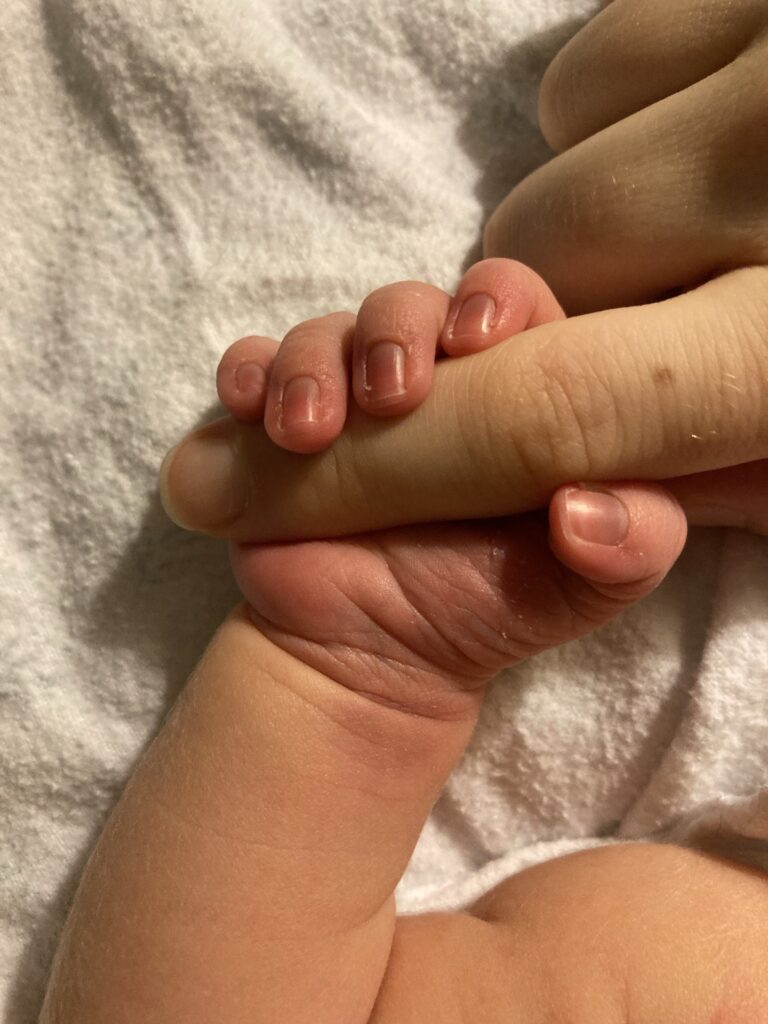
The Journey from Loss to Motherhood
Mothering after miscarriage changes you. It reshapes the landscape of your heart in ways you never anticipated, creating spaces for both profound grief and overwhelming gratitude to coexist. If you’re reading this as a mother who has walked through the valley of pregnancy loss before holding your living child, I see you. Your journey to motherhood was not the straight path you imagined, and that matters.
The Weight of Invisible Grief
Miscarriage is a unique kind of loss. You grieve a future you had already imagined, a child you had already loved, dreams you had already dreamed. The nursery colors you’d considered, the name possibilities you’d whispered in the dark, the way you’d already rearranged your life to make room for someone who would never fill that space.
When you experience pregnancy loss, you join an unwanted sisterhood. The statistics say one in four pregnancies end in miscarriage, yet somehow the grief feels isolating. Friends and family may minimize your loss with well-meaning phrases about “it being common” or “trying again.” But your baby was not a statistic. Your loss was not common to you. It was singular, devastating, and life-altering.
The grief doesn’t simply disappear when you finally hold a healthy baby in your arms. It transforms, certainly, but it remains part of your story.
When Rainbow Babies Arrive
Rainbow babies are children born after loss. The ones who come after the storm. When your rainbow baby finally arrives, the love is different. Not better or worse than mothers who haven’t experienced loss, but fundamentally different in texture and intensity.
From the moment you see those two lines on a pregnancy test again, fear becomes your unfortunate and unwanted companion. Every twinge, every moment of decreased movement, every doctor’s appointment carries the weight of what you know can go wrong. You cannot unknow the fragility of life. You cannot return to the innocent optimism of your first pregnancy.
The Anxiety of Early Motherhood After Loss
When you finally bring your living child home, the relief is profound but the anxiety doesn’t simply evaporate. You might find yourself checking their breathing constantly throughout the night. You might panic at the smallest deviation from routine. Your nervous system has been trained to expect loss, and it takes time to recalibrate.
Some mothers after miscarriage struggle with intrusive thoughts about something happening to their child. Others find themselves holding back emotionally at first, afraid to fully attach after having attached and lost before. This is not a failure of love—it’s a protective mechanism your heart has developed. It’s okay to acknowledge that bonding might take time, even as you provide excellent care for your baby.
The Fierce Love That Grows
But here’s what’s also true: The love, when it fully blooms, is ferocious.
You appreciate moments that other mothers might take for granted. The middle-of-the-night feedings that exhaust you also fill you with gratitude because you’re here, doing this thing you feared might never happen. The toddler tantrums that test your patience also remind you that this child is alive, developing, asserting their will in the world.
You don’t need reminders to cherish every moment because you’re acutely aware of how precious and precarious life is. When your child is sick, you hold them a little tighter. When they reach a milestone, you celebrate a little harder. When they simply exist in your presence, you sometimes have to pause and breathe in the reality that they’re here.
Navigating the Complexity
Mothering after miscarriage means holding multiple truths simultaneously. You can be deeply grateful for the child in your arms while still grieving the one who never made it. You can feel joy and sorrow in the same breath. You can celebrate your child’s birthday while remembering the due date that came and went for their sibling who never was.
Some days are harder than others. The due dates of lost pregnancies can hit with unexpected force, even years later. Your living child’s milestones might trigger memories of what should have been for the baby you lost. You might feel guilty for being sad when you have so much to be grateful for. This guilt is common, but it’s unfounded. You’re allowed to hold space for all of your experiences.
The Invisible Sibling
Your living children may never know their sibling who came before them, or you might choose to share that story when they’re older. Either way, that loss shaped you as a mother. It influenced how you parent, how you love, how you hold fear and hope together in your daily life.
Some mothers find meaning in honoring their loss—through jewelry, tattoos, ritual, or simply private remembrance. Others need to move forward without markers, and that’s equally valid. There’s no right way to integrate loss into your current life as a mother.
Finding Your Community
Connecting with other mothers who have experienced pregnancy loss can be profoundly healing. They understand the complicated emotions of mothering after miscarriage in ways that others simply cannot. You don’t have to explain the bittersweet nature of finally having your child, or why certain moments bring tears alongside smiles.
Online support groups, local loss support networks, and even honest conversations with trusted friends who have been there can provide validation and understanding. You don’t have to carry this alone.
The Gift of Perspective
While you would never have chosen this path, mothering after miscarriage often brings unexpected gifts. You’re less likely to sweat the small stuff. You have perspective that helps you weather the challenging moments of parenting with more grace. You understand that nothing is guaranteed, which paradoxically helps you be more present.
You’re also likely more compassionate—toward yourself and others navigating difficult journeys. Your capacity for empathy has been expanded through your own pain.
Moving Forward
Mothering after miscarriage is not about forgetting your loss or pretending your journey was simple. It’s about integrating all of your experiences into the full, complex, beautiful reality of who you are as a mother.
Your child is lucky to have a mother who understands that life is precious, that love is worth the risk of pain, and that showing up each day with your whole heart—scars and all—is what true motherhood looks like.
You made it through the storm. You’re here. Your baby is here. And while the path was harder than you imagined, the destination brought you to this moment: mothering the child you fought so hard to hold. That’s a story worth honoring.
Frequently Asked Questions
How long does anxiety last after pregnancy loss? Every mother’s experience differs, but many find that anxiety gradually decreases throughout the first year of their child’s life as trust in their survival grows.
Should I tell my child about their sibling I lost? This is a deeply personal decision with no right answer. Consider your family’s values, your child’s age and temperament, and what feels authentic to you.
Is it normal to feel guilty for being happy? Absolutely. Many mothers struggle with survivor’s guilt or feel they’re betraying their lost baby by fully embracing joy with their living child. These feelings are common and valid.
You are not alone in this journey. Your story matters, your feelings are valid, and your love—for all your children, born and unborn—is beautiful.